
Hygiene and Insurance: Essential Pillars for the Safety and Future of Any Barbershop
Experts highlight that rigorous disinfection of tools and securing the right insurance are fundamental to protecting clients and avoiding financial losses.
Managing a modern barbershop requires dual attention: ensuring the immediate safety of clients and shielding the business from unforeseen events. Although they may seem like distinct tasks, the hygiene routine and an understanding of insurance coverage are two sides of the same coin for those who wish to operate with professionalism and peace of mind.
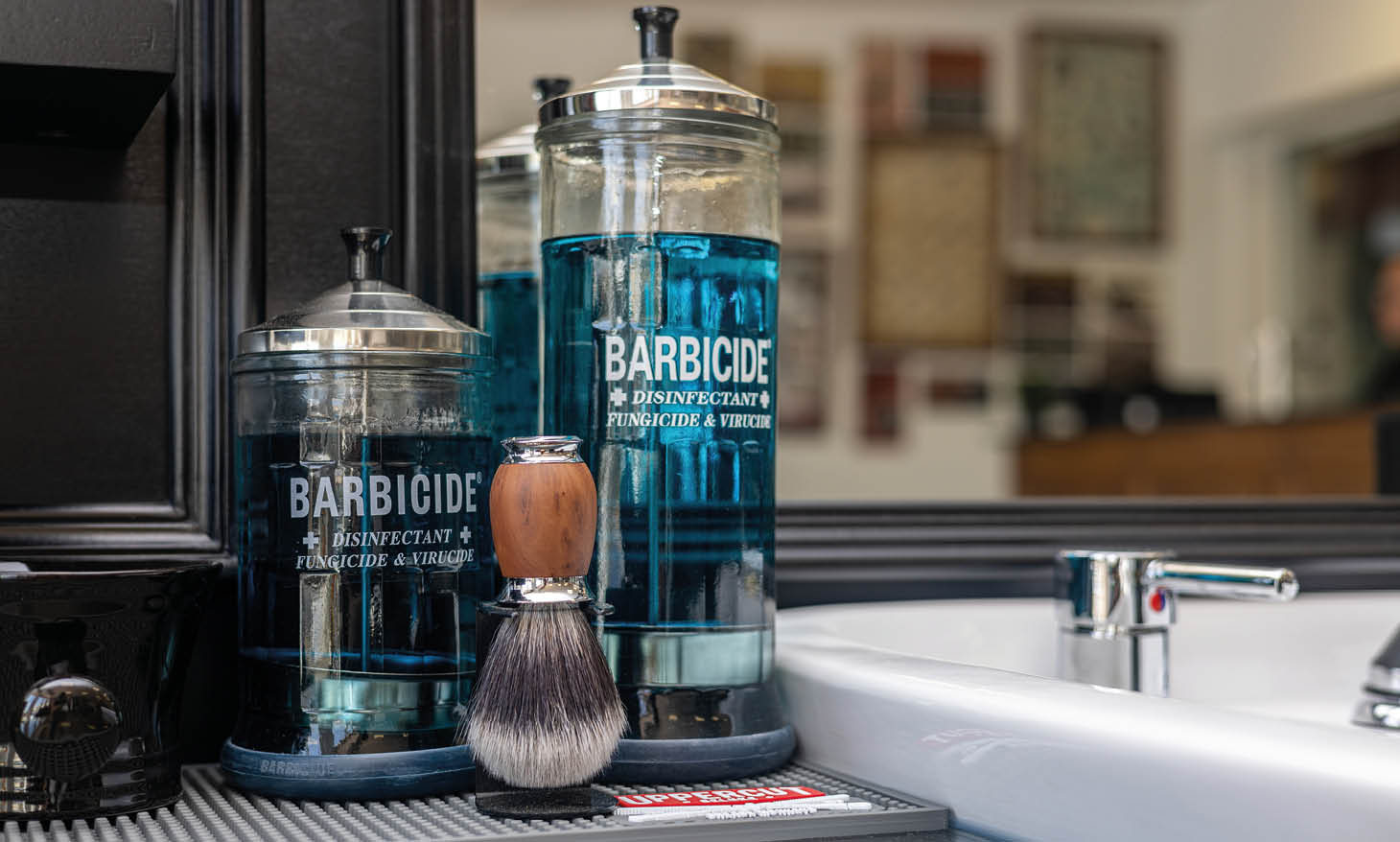
Ivan Zoot, educator and brand ambassador for BARBICIDE, emphasizes that technical knowledge acquired in school needs to translate into practical action on a daily basis. For him, the obligation to protect the public outweighs even the responsibility of giving a good haircut. Common mistakes, such as reusing dirty brushes or failing to properly disinfect clippers, can compromise the entire reputation of the establishment.
Precision in product preparation is crucial to avoid failures. Zoot recommends strictly following label instructions, citing a ratio of two ounces of concentrate for 32 ounces of water, with the solution renewed daily. He highlights that disinfection does not need to be complex if procedures are clear and consistent.
Beyond hygiene, the financial aspect is equally critical. Shawn Woedl, CEO of InkShopGuard Insurance, warns that a single incident can ruin a business. Therefore, he suggests that barbers purchase at least two types of coverage: general liability, for damages to third parties or property, and professional liability, which covers claims directly related to the services provided, such as cuts or infections.
It is important to note that needs vary depending on the work model. Freelancers and chair renters usually need their own policies, while shop owners should also consider property insurance and workers' compensation. Woedl warns that low prices can hide significant gaps in coverage.
The most important question is not just whether the professional has insurance, but whether the policy actually covers their daily activities. Many discover coverage failures only when a claim occurs, by which time the damage is already done. For those starting out, insurance should be treated as part of the business foundation, alongside licenses and equipment.
In summary, a safe barbershop is built with disciplined daily habits and informed business decisions. Proper disinfection prevents immediate harm, while adequate insurance prepares the business to handle incidents that even the best precautions cannot completely eliminate.
BarberRicci newsroom, with information from BarberEVO (Reino Unido).