
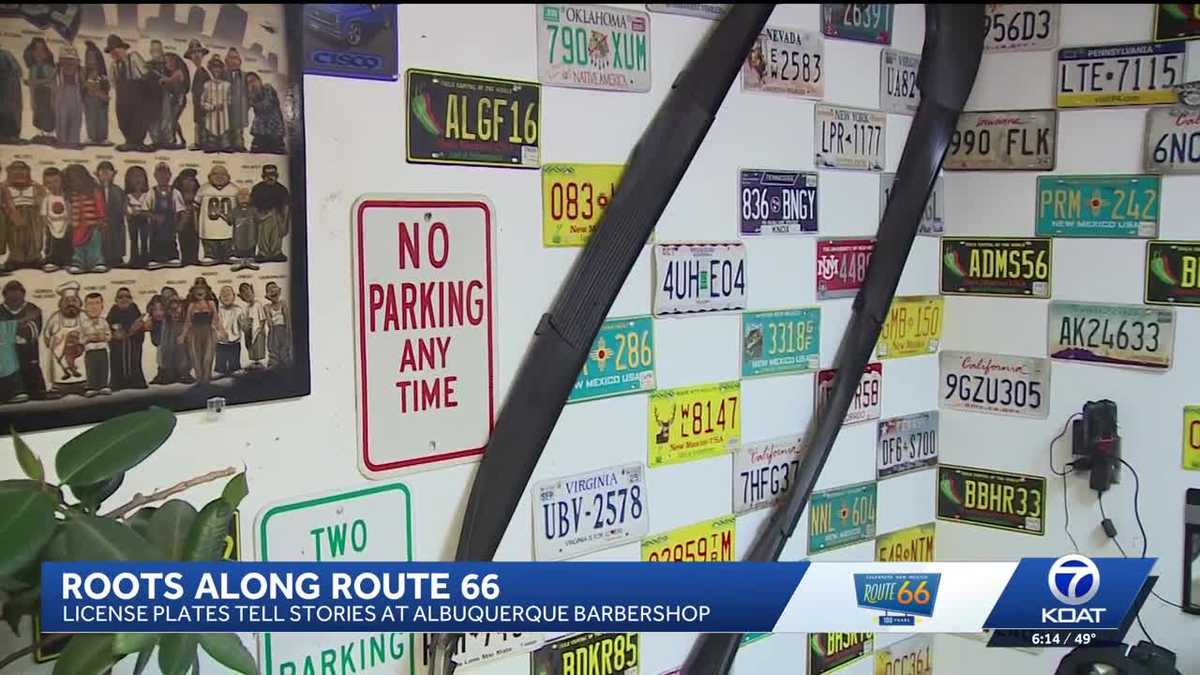
Barbershop on Route 66 Builds Community Through Unique License Plate Collection
In Joliet, USA, Francisco Alcantar turned his barbershop into a local gathering spot. The wall decorated with hundreds of license plates from around the world tells personal stories and strengthens neighborhood bonds.
In the city of Joliet, in the United States, the tradition of Route 66 comes to life in a barbershop that goes far beyond haircuts. Francisco Alcantar, who has been working in the industry for over two decades, built a space where the main decoration is formed by an extensive collection of vehicle license plates. For professionals and clients in the field, the location demonstrates how customizing the environment can create a unique sense of belonging among visitors.
The initiative started simply but grew organically with the active participation of the neighborhood. Alcantar explains that the first plate displayed came from his own 1984 Chevrolet, keeping the original paint marks and rust to preserve the authentic character of the object. The barber states that he started with only twenty items, but the wall expanded until it occupied the entire shop.
Today, the collection counts approximately four hundred plates from various parts of the world. Each piece carries a specific narrative: there are records of trips to New York, vacations in Puerto Rico, and even postal shipments coming from Hawaii. The diversity of origins transforms the space into a visual map of clients' experiences.
The social impact is evident in how people interact with the location. Alcantar observes that the community has taken over the curation of the exhibition, bringing plates to gift or donate to the establishment. This dynamic makes visitors feel like part of something bigger, creating a welcoming environment where each person leaves a personal mark.
The barber attributes the project's success to Route 66 itself, which historically served as a connection route for supplies and correspondence. He believes that the road unites people, and his shop reflects this essence by allowing individuals to share fragments of their lives. The current goal is to reach five hundred plates to complete the remaining walls.
Beyond aesthetics, the establishment has a strong philanthropic component. Alcantar, who grew up in an economically vulnerable situation, focuses on giving back to the local community, especially helping children. For him, the barbershop was not set up just by him, but collectively built by the neighborhood, proving that the community bond is as important as technique in the cut.
BarberRicci newsroom, with information from KOAT.