
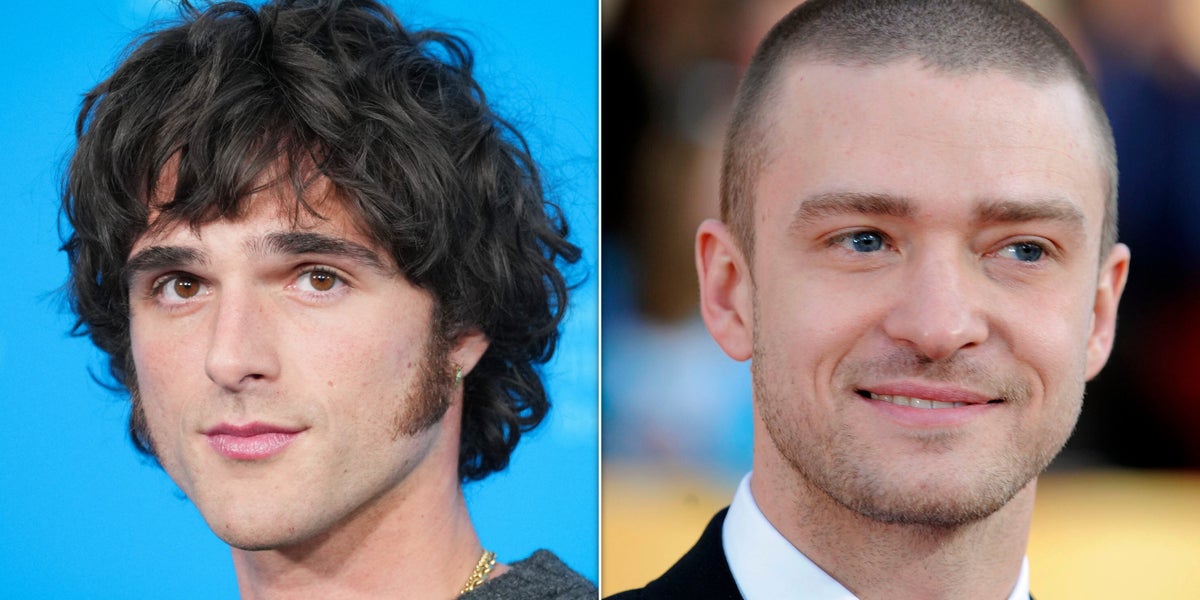
Barbers explain why faithful copies of famous cuts rarely work
Experts point out that a client's hair texture and volume do not always match those of the stars. Technical adaptation is essential to avoid disappointing results.
In barbershops around the world, it is common to see clients presenting photos of celebrities as reference for their next cuts. However, professionals in the field warn that the exact reproduction of these styles rarely works due to biological differences between people. The main challenge lies in the texture, density, and growth pattern of the hair, factors that vary drastically from one individual to another.
Joe Kurdyla, general manager of the Kings Domain Barbershops network, observes that names like David Beckham and Brad Pitt are frequent requests. He highlights that the images brought often are not realistic for the client's hair type. "People sometimes bring photos that are not realistic for your hair," Kurdyla stated. This happens because specific characteristics, such as hair thickness or how it grows, can prevent the desired look from holding up without intense maintenance.
A clear example of this difficulty was reported by Dave Wright, who tried to imitate Beckham's shaved and platinum cut. His barber warned about the height of the hairline, but the client insisted on the request. The result was a look that, according to him, made his forehead "huge" and highlighted his baldness. The experience illustrates how a lack of technical analysis can lead to unsatisfactory results, even in seemingly simple cuts.
Another case involved Syeda Sultana's son, who requested a cut inspired by actor Jacob Elordi. The barber immediately noticed that the boy's hair was much straighter than the reference. Despite the initial warning about the difficulty of creating the desired strands, the final result was considered a disaster by the client, who had to wear a cap for two weeks to cover the cut.
To avoid these frustrations, experts recommend an honest conversation before starting the work. Sherry Velarde, owner of Deseo salon in Denver, USA, usually asks directly if the client is willing to dedicate twenty minutes daily to styling with heat and products to maintain the look. She explains that Hollywood cuts depend heavily on extensions and a stylist accompanying the star with hairspray.
Carly Govednik, from the artistic team at Sport Clips, suggests that clients bring two or three photos instead of just one. This allows the barber to analyze different angles and discuss which specific elements of the cut appeal to the client. The key to success is not copying the exact silhouette, but adapting the style to the facial structure and natural characteristics of the hair of the person sitting in the chair.
BarberRicci newsroom, with information from AOL.com.